Skylights: Everything You Need to Know Before Installing
Skylights can transform indoor spaces by increasing natural light and promoting better ventilation. They come in various styles, each tailored to various architectural demands. However, potential buyers must consider factors like positioning, roofing suitability, and ongoing maintenance needs. While the benefits are clear, issues may surface once installation is complete. Being aware of these factors is vital for anyone thinking about adding this feature to their home. What exactly should homeowners be aware of before taking the plunge?
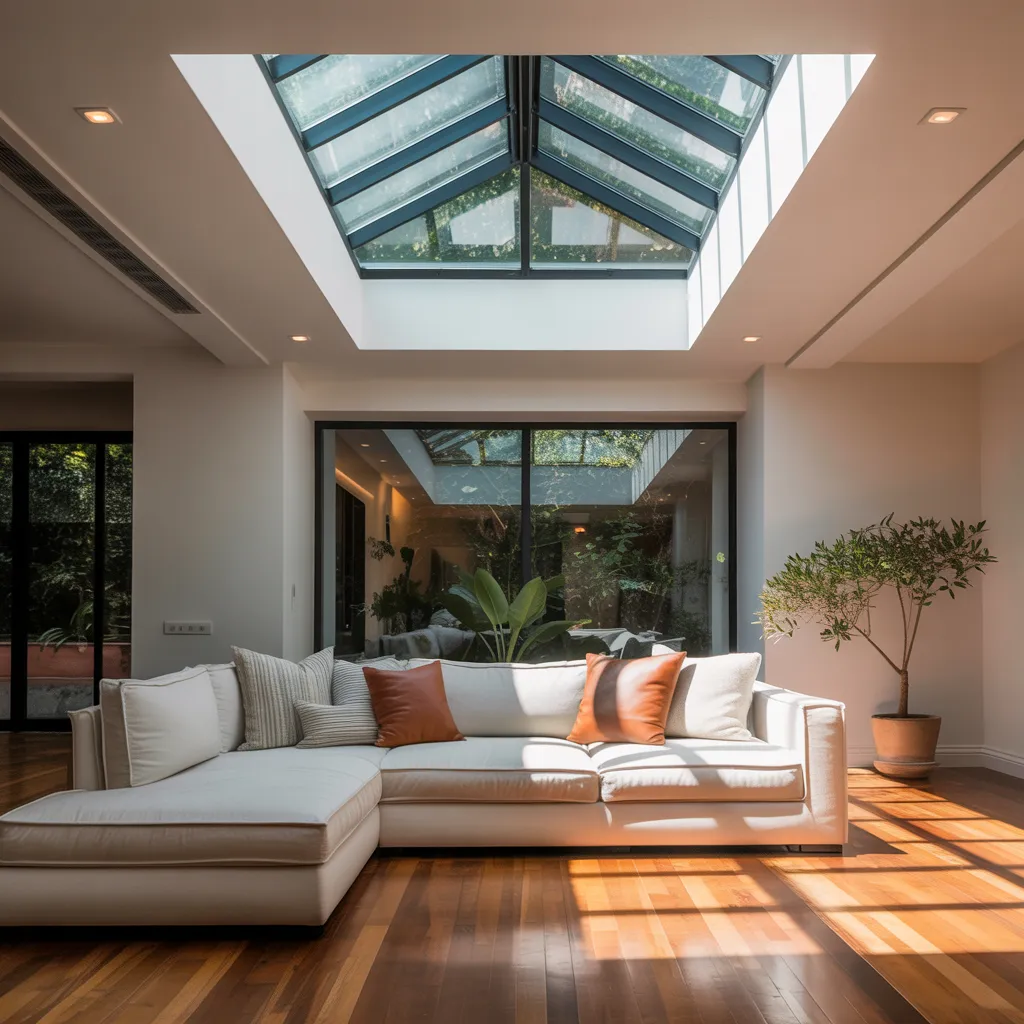
Why Skylights Make an Excellent Addition to Your Home
Skylights have the ability to transform a dimly lit room into a bright, inviting area, elevating both the look and usability of the space. By permitting sunlight to pour into the room, they generate a feeling of spaciousness and extend the apparent boundaries of an area. This enhanced natural light not only uplifts mood but can also reduce reliance on artificial lighting, leading to potential energy savings.
Furthermore, skylights can optimize ventilation, particularly when functional options are installed, facilitating air circulation and creating a pleasant indoor environment. They can also function as a standout architectural element, lending beauty and distinction to a variety of home designs.
Aside from practical considerations, skylights can enhance the overall feel, creating a more enjoyable living space. Residents often notice that the integration of these additions fosters a connection with the outdoors, elevating their daily routine. Overall, skylights are a beneficial addition that pairs beauty with practicality, making them a worthy consideration for any home improvement project.
Exploring Different Skylight Styles
In the world of skylights, various styles offer distinctive advantages tailored to different needs. Fixed skylights offer a straightforward approach to increasing natural light, while ventilated skylights promote air circulation and regulate temperature. Tubular skylights, by contrast, are crafted for compact areas, efficiently gathering and directing sunlight.
Overview of Fixed Skylights
Natural light serves a vital function in enhancing the ambiance of any space, and fixed skylights offer a stylish solution for bringing sunlight indoors. These skylights are stationary units that do not provide ventilation, yet they effectively illuminate rooms with natural light. Offered in numerous shapes and configurations, fixed skylights can be adapted to suit a variety of architectural aesthetics, from sleek modern designs to timeless traditional styles. They are typically made of durable materials such as tempered glass or acrylic, guaranteeing long-lasting performance and protection against the elements. Fixed skylights further contribute to energy savings by reducing the demand for artificial lighting in daytime hours. Perfect for hallways, living areas, or kitchens, these skylights establish a radiant, spacious feel while improving the overall look of a home.
Ventilated Skylights Benefits
While fixed skylights provide abundant natural light, ventilated skylights present an added bonus by facilitating air circulation and temperature management. Such skylights may be opened by hand or automatically, promoting fresh air flow and lowering indoor humidity levels. This function can considerably boost home comfort, particularly during the hotter months, by promoting a cooler environment. Ventilated skylights further support greater energy efficiency, as they help lessen dependence on air conditioning units. Furthermore, they support improved indoor air quality by allowing stale air to escape. Homeowners can enjoy the dual benefits of natural light and ventilation, making these skylights an ideal option for areas that need both light and climate control. In summary, ventilated skylights serve as a valuable addition to any residence.
Tubular Skylights Features
Sun tubes, often called tubular sun tunnels, are a unique option for homeowners looking to maximize sunlight in compact areas. These installations are composed of a highly reflective tube that funnels sunlight from a roof-mounted dome into interior spaces, efficiently brightening spaces without extensive structural modifications. Offered in various sizes, they can conveniently fit into narrow spaces such as hallways, bathrooms, and closets. Sun tubes also feature eco-friendly designs, often incorporating insulated materials to limit heat dissipation. Select models provide variable light diffusion, allowing homeowners to control brightness levels. Moreover, they are typically simpler and more affordable to put in compared to conventional skylights, making them an appealing choice for homeowners seeking to enhance their living environments with sunlight.
What to Consider Before Installing Skylights
What considerations should homeowners evaluate prior to installing skylights? To begin, the location and orientation of the skylight are important. South-facing skylights tend to allow considerable amounts of sunlight, while north-facing choices provide more diffused light. Homeowners should additionally evaluate the roofing material and structural integrity; not all roofing systems are able to handle skylight installations without adjustments.
In addition, the weather plays a vital role. In areas with heavy snowfall or rain, the design and sealing are crucial to eliminate the risk of leakage. A key concern is also energy efficiency, as faulty installation often causes significant heat loss or gain.
In addition, reviewing local building codes and regulations is essential to guarantee adherence. Consulting with professionals can provide valuable insights and help mitigate potential issues during installation. Through careful evaluation of these factors, homeowners can arrive at educated decisions concerning their skylight installations.
Examining the Pros and Cons of Skylights
Examining the advantages and disadvantages of skylights uncovers an equilibrium between improved natural lighting and possible concerns. A notable benefit is the abundance of natural light, which can establish a more welcoming and open environment, perhaps minimizing the requirement for artificial light during daylight hours. Skylights can also improve ventilation, aiding in controlling indoor climate conditions and elevating air quality.
However, there are limitations to assess. Improper installation may cause leaks, which can trigger moisture more info damage and mold development. Furthermore, skylights can raise indoor temperatures in the summer months, causing increased cooling expenses. The upkeep of skylights, which includes checking seals and cleaning the surface, can also be more time-consuming than ordinary windows. In summary, knowing these benefits and limitations is crucial for homeowners thinking about skylight installation, enabling them to reach informed conclusions that correspond to their personal needs and lifestyle.
Common Skylight Problems and How to Resolve Them
Skylights are a great way to boost natural light in a room, but they also introduce a number of potential issues. Common issues include leaks, condensation, and improper installation, which can reduce their efficiency and functionality. Being aware of these challenges and the appropriate solutions for addressing them is critical to keeping a skylight in proper working condition.
Common Skylight Complications
Many homeowners encounter common challenges with skylights that can influence both visual appeal and practical use. One frequent issue is leaks, typically resulting from faulty installation or deteriorating seals. This can cause water-related damage and mold formation. A further issue involves condensation, which happens when warm, humid air contacts the cooler skylight surface, causing unpleasant moisture buildup. Additionally, poor insulation can lead to energy loss, creating uncomfortable temperature fluctuations indoors. Solar glare can also pose a problem, leaving rooms uncomfortably illuminated and accelerating the fading of furniture and decorations. Lastly, the buildup of dirt and debris can block light transmission, compromising the skylight's efficiency. Resolving these problems in a timely manner is crucial for preserving the advantages skylights offer.
Reliable Repair Solutions
Addressing common skylight issues requires effective repair solutions to restore both functionality and aesthetics. Leaks, a common issue, frequently result from faulty installation or weather exposure. To correct this, homeowners are advised to check the flashing and seals, swapping out compromised components with superior materials. Moreover, condensation can be minimized by securing sufficient ventilation around the area, consequently avoiding excess moisture retention. Cracked or damaged glass may necessitate replacement, while minor issues can sometimes be repaired with sealants designed for skylights. Regular maintenance, including cleaning and inspection, can further reduce the risk of future problems. By applying these measures, homeowners can improve the durability and efficiency of their skylights, guaranteeing they stay a beautiful and practical element of their residences.
What Will It Cost You to Install Skylights?
What is the typical cost of skylight installation? The cost of skylight installation varies considerably based on several factors, including the type, dimensions, and intricacy of the project. On average, homeowners may spend between $1,000 and $3,000 per skylight. This estimate usually encompasses both materials and labor.
Stationary skylights are generally more affordable than openable versions, which provide airflow. Additionally, the installation process may require alterations to the structure, particularly if the roofing structure needs strengthening or if the skylight is being incorporated into an existing structure.
Homeowners ought to also take into account the long-range rewards, such as energy savings from natural light and decreased dependence on artificial lighting. It's advisable to obtain multiple quotes from contractors to ensure a competitive price and to verify their experience with skylight installations. Ultimately, understanding these costs can help homeowners make informed decisions about improving their homes with skylights.

Common Questions and Answers
Are Skylights Suitable for Installation in Any Room of the Home?
Skylights are able to be placed in numerous rooms, including kitchens, bathrooms, and living spaces. However, considerations regarding local building codes, structural integrity, and moisture management are crucial to guarantee correct installation and performance.
How Do Skylights Affect Indoor Temperature?
Skylights can significantly impact indoor temperature by increasing natural light, potentially warming interiors during sunny days. However, improper installation or lack of shading can lead to unwanted heat gain, impacting comfort and energy efficiency in the home.
Do Energy-Efficient Skylight Options Exist?
Indeed, there are energy-efficient skylight choices on the market, such as those featuring double or triple glazing, low-emissivity coatings, and adequate insulation. These features enhance thermal performance, reduce energy costs, and support consistent and comfortable indoor temperatures year-round.
What Care Do Skylights Require Over the Years?
Skylights need regular cleaning, leak inspections, and edge resealing. Consistent upkeep secures peak performance and longevity, preventing moisture buildup and damage. Homeowners should also check for debris accumulation around the skylight frame.
How Do I Pick the Ideal Size Skylight for My Area?
To choose the correct size skylight, you should consider the room's measurements, ceiling height, and natural light requirements. A widely accepted guideline suggests picking a skylight unit that spans approximately 10% of the floor area of the room.